Showing posts with label Dental Hygiene. Show all posts

Monday, May 16, 2016

3 Easy Tips to Turn Flossing Into a Habit


You just had your bi-annual dental cleaning with your hygienist, who thoroughly explained your case of gingivitis. “I swear I’ll floss every day,” you said and you meant it. You flossed your teeth every day for a week, and then like the diet you tried last summer, you gradually started to slack.

Most of us are aware just how essential flossing is in maintaining our oral health and preventing disease, we just have one problem – making a habit of it. We’re too busy. We’re too lazy. We forget. Six months later, we’re back in the hygienist’s chair being told we still have gingivitis. How do we overcome this obstacle and turn flossing into a daily habit?
Here are three tips to help you get started:
  1. Set a visual reminder.
    Put your spool of floss on your nightstand. Next to your toothbrush. In the lunch bag you take to work. Heck, put it in the shower! Stick a red post-it note on your mirror. Seeing the floss or any type of visual cue will jolt a reminder for you.
  2. Multitask.
    Among your busy work hours, your many social events, and your frequent travels… who has time to floss, right? Surely, you are doing something hands-free throughout your day however. Watching TV? Lying in bed? Stuck in terrible traffic? Multitask!
  3. Attach the habit to an existing one.
    Convince yourself that you will absolutely not brush your teeth without flossing. They are not two activities, they are one. Eventually you will link the habits together and it will feel lacking to do one without the other.
Remember – it takes about three weeks to develop any habit so take the first step in this commitment and you will surely find the road towards becoming a habitual flosser with healthy gums.

Wednesday, April 13, 2016

Early Childhood Caries: A Major Health Concern


1.        What is Early Childhood Caries (ECC)?
Dental caries is a chronic infectious disease caused by bacteria that breaks down sugar into acids which erode teeth over time. 

If a child under the age of six years old has at least one cavity, missing tooth due to dental caries or a filling on any baby tooth, then they are considered to have early childhood caries. 

If they are younger than three years old, and have a cavity on any tooth surface, then this is severe early childhood caries.

2.      What are the risk factors of early childhood caries?
Apart from poor oral hygiene, there are several risk factors that increase chances of getting ECC.  Young children are at risk of early childhood caries if their caregiver has high levels of the bacteria causing decay.  The disease can be transferred to the child through saliva for instance, when sharing utensils or cleaning a pacifier with the mouth. 

Other risk factors include a high consumption of sugar particularly between meals.  The most obvious foods that cause decay are chocolates, sweets, cookies, juice, sodas and so on.  However, sticky sweet foods such as raisins, dates and some dried fruit also increase the risk of tooth decay.  Some medicines given to children are flavoured with high amounts of sugar and this too may increase the risk of early childhood caries. 

Putting sweet drinks in sippy cups and milk bottles and/or allowing children to go to sleep with milk in a bottle increases the risk of developing ECC as well.

3.      What are the consequences of ECC?
The health of children’s teeth should not be minimised just because they are “baby teeth.”  When children have ECC, the resulting pain and infection can cause several major problems.  Most children are not very good at describing pain and parents may become aware of the severity only as a result of restless nights or poor sleep, poor eating habits and lack of concentration in school; all of which are very important for proper growth and development of the child. 

In addition, if ECC is left untreated for a while, the infection can become serious leading to high fever, admission into the hospital, emergency room visits and a much higher cost of treatment.  Children who have ECC are also more likely to develop caries in their permanent teeth if changes are not made early on.

4.      How can ECC be prevented?
a)      Mothers should make sure that they have a dental check-up and complete any necessary treatment to avoid passing on decay-causing bacteria to their children.
b)      Parents should also minimise saliva sharing activities such as cleaning pacifiers with the mouth and sharing utensils.
c)       Parents should bring their children to visit a paediatric dentist by age one to establish a dental home for their child.
d)      Oral hygiene is very important.  Parents should brush their children’s teeth at least twice daily with an age-appropriate toothbrush and fluoride toothpaste.  For children under age 3, a smear amount of fluoride toothpaste is sufficient while a pea-size amount should be used for children between 3 and 8 years old.
e)      Children at risk of getting early childhood caries should visit their paediatric dentist for professionally applied fluoride.
f)        Minimising consumption of sugar overall and also sweet snacks and drinks between meals.
g)      Minimising the consumption of processed foods that have high amounts of hidden sugars will also prevent tooth decay.
h)      Prevent putting children to bed with milk in a bottle and/or wipe teeth with a wet cloth after night-time milk feeding.
i)        Avoid putting juices and other sweet drinks in baby bottles and sippy cups.

j)        As children approach their first birthday, they should be encouraged to drink from a regular cup.

Monday, March 28, 2016

Thursday, March 17, 2016

5 Things You Should Know About Fluoride & Your Child’s Teeth

By  Dr. Carol Onyango, DMD, MPH

1. What is fluoride?
Fluoride is a compound that contains the natural element known as fluorine. Routinely using small amounts of fluoride can help prevent tooth decay. Studies have shown that in places with community water fluoridation, decay rates have reduced by over 50 per cent and children grow up with fewer cavities. Where fluoride is not available in the community water, the use of toothpaste, mouth rinses and professionally applied gels and varnishes containing fluoride as the active ingredient is highly recommended to help reduce tooth decay.
Dr. Carol Onyango, DMD, MPH 
Specialist Pediatric Dentis
2. How does fluoride prevent cavities?
When sugar is broken down, it forms an acid which attacks and weakens the tooth enamel by causing the loss of minerals and creating cavities. Fluoride helps prevent this loss of minerals and encourages strengthening of the enamel in areas where cavities are just beginning to develop. Fluoride also affects the bacteria that help in causing the acid attacks on the teeth. When the use of fluoride is combined with a healthy diet and good oral hygiene, the risk for decay is reduced even further.
3. Is fluoride safe?
There is confirmation from clinical studies that fluoride use in the appropriate quantities for the prevention and control of tooth decay is both safe and highly effective. However, products containing fluoride should be stored out of reach of young children.
4. What happens if my child swallows fluoridated toothpaste while brushing?
To avoid ingesting excessive amounts of fluoride, always monitor children to make sure that they are using the correct amount of fluoride toothpaste for their age. This should be a smear amount for children less than three years of age and a pea-size amount for children aged 3-8 twice daily.
5. My child’s dentist suggests fluoride varnish? What is it for?
Topical fluoride is used and applied by a dental professional to prevent tooth decay. It comes in the form of gels, foams and varnish. Gels or foams are placed in trays and held against the teeth for up to 4 minutes while fluoride varnish is “painted” on teeth.
Image: American Academy of Pediatric Dentistry
Comparison of a smear (left) with a pea-sized (right) amount


Thursday, March 10, 2016

What Are the Potential Causes of Toothaches?


By Dr. Marwan Al-Obeidi, Clinical Head at Dr, Michael's Dental Clinic

There are many causes for toothaches. Carries could be primary, where the tooth has never been filled before (new decay) or it could be secondary, where it occurs below the fillings. It could also be caused by fractures or cracks of the teeth (patients who are grinding). Pain could also come from an impacted tooth. There are some case where the pain does not come from the tooth itself but from the gums around the tooth. Sometimes even nerve pain can manifest itself as toothache. That's why the dental checkups and visits are very important.

Monday, February 29, 2016

What You Need to Know About White Spots and Braces

Written by: Dr. Argiro Kechagia, Specialist Orthodontist

A very common problem that can occur while a patient has braces is the formation of white spots during treatment and it is always a bit disappointing to find that your teeth are marked with chalky white patches after your braces are removed.
But why?
Many believe that braces can cause these spots to appear, but in reality they are the result of plaque build-up just like any other form of tooth decay. These chalky patches, or dental decalcification, affect 24% of all teenagers without braces. That number jumps up to 50% in teenagers with braces. Although braces are not directly responsible for causing these white spots to form on your teeth, they can complicate the process of plaque removal. The white, chalky marks on the teeth appear when acids created by the plaque, remove minerals from the tooth surface and change the way it reflects light. Decalcification, most commonly affects the region between the gums and the brackets where plaque is most difficult to remove. So, braces do not cause white spots, bad oral hygiene does!
Can I prevent it?
Of course you can; and it is very simple, brush your teeth. Keep the plaque to a minimum. When you brush, be sure to focus on the areas that are obstructed by your brackets and wires, place the bristles of your brush underneath the wire. Finally, try to avoid having sodas and other foods that are high in sugar and acid, as these build plaque fast.
What if I have them already? Can I make them disappear?
  1. The first step is to improve your oral hygiene with meticulous brushing in order to give some time (around 6 months) to the enamel to re-mineralize the affected tooth surfaces. All white spots improve some with time and minor ones may disappear altogether.
  2. After 6 months our dentist can give you low concentration fluoride rinses and remineralization pastes that can be used in order to improve further the appearance of white spots.
  3. Alternatively, bleaching, as it lightens the enamel, can make white spots to blend in better and actually improve as the effects of the bleaching wear off.
  4. A newer technique, known as “caries infiltration,” involves injecting a liquid tooth-colored resin, which has optical properties closer to natural enamel, beneath the surface enamel in the area of the white spot. This makes the spot less opaque and more translucent like normal enamel.
  5. For more severe problems, your dentist may perform microabrasion (removing superficial white spots), cosmetic bonding (replacing damaged enamel), or place porcelain veneers (covering badly damaged surfaces).
 Always remember that the best treatment is prevention.

5 Most Common Questions on Brushing Kid's Teeth

Written by Dr. Carol Onyango, Specialist Pediatric Dentist


Moms and dads, here are five things you need to know about brushing your little one’s teeth.

1. When should I start brushing my child's teeth?
You should start brushing your child's teeth when the first baby tooth erupts (grows in the mouth).

2. What's the right way to brush my child's teeth?
The best way to brush your child's teeth is in a circular motion with a soft toothbrush of age-appropriate size. All surfaces of all teeth should be brushed to help dislodge food and reduce bacteria plaque levels.

3. How much toothpaste should my child use? Should I use a fluoride toothpaste?
Fluoride in the right amount is safe and effective in preventing and controlling tooth decay; and fluoride toothpaste is recommended twice daily.
A smear amount of fluoride toothpaste should be used for children under age 3, while children 3-8 years old should use a pea-sized amount.

4. When can my child start brushing on his/her own?
Your child can start brushing their own teeth when they can hold a brush well. However, this does not mean that they will brush well and there is no specific age when a child will do this. Supervision and assistance is needed for all children and can in some instances, continue into adolescence.

5. What can I do if my child refuse to brush his/her teeth?

Many young children will give parents a hard time with brushing but it's important to persevere through the process because a healthy mouth is much better than the consequences of tooth decay and gum disease. While visiting your pediatric dentist, they can demonstrate how this can be done to make the process quicker while still efficient.

Wednesday, November 25, 2015

8 Tips on Getting Your Child to Brush His Teeth

Brushing your child’s teeth should not be a daily rendition of an atrocious horror story. If it’s such a struggle getting your child to brush his teeth, you are not alone.
Having your young one embrace the early habit of cleaning his teeth may be a challenging task, but it is certainly an important one. Your child may respond differently to the usual brushing techniques other children his age would, so you may need to add a dose of creativity to get your child brushing in no time.
Here are a few tricks that may encourage your children to enjoy brushing:
  1. Make toothbrush shopping special. Let your child pick out his own toothbrush. Colored, cartoon themed or even those that light up when squeezed - there are plenty of choices available in the market. Alternatively, you can buy identically colored toothbrush just for you and your little one.
  2. Practice makes perfect. Let your child enjoy brushing the teeth of his favorite stuffed animal. You may even let him brush yours! When he’s done, give him a chance to brush his own teeth. Be sure to follow up with ‘polishing touches’ to make sure his teeth and gums are thoroughly cleaned.
  3. Show your child that brushing is fun. If he’s hesitant about letting you brush his teeth, let him watch you as you carefully brush yours. Children love to copy what adults do and this could be the key to getting him engaged in taking care of his own oral health.
  4. Add spice to the routine. While he tries to brush his teeth, make up silly words and dance along!
  5. Brush away the pinky plaque. Give chewable tablets that turn plaque pink a try, and playfully persuade him to brush away the color with his toothbrush.
  6. Name that tooth. Make him understand that each member of his pearly whites is important. Let your child give each tooth a nickname and remind him that not a single toothy character should be left out.
  7. Be your child’s very own tooth fairy. Don’t forget to praise your child and reward him for a job well done!
  8. Flavor counts. Let him choose the flavor that appeal to his taste. This could be the single most important key to getting him hooked on brushing. Also, be sure to use toothpaste that's specially made for kids.
Brushing should not be a chore. Don’t lose your heart if your child doesn’t develop a liking to brushing right away. Make the habit so much fun that he won’t be able to resist the urge to pick up his toothbrush next time!

Wednesday, October 7, 2015

Abscessed Tooth Awareness: Causes, Dangers & Treatments

7th October 2015, Dubai, UAE: Dr. Marwan Al-Obeidi, Clinical Head at Dr. Michael’s Dental Clinics, talks about the causes of tooth abscess, its dangers and treatment.

Friday, June 19, 2015

Bleeding Gums: A Clear Sign of Trouble

There are lots of misconceptions about bleeding gums and there are some people who would stop brushing when it happens. We asked the help of one of our dental hygienists, Felicia, and here are her answers to the most common questions we get from our patients about bleeding gums.

Why do gums bleed? Is it normal?
When people don't practice proper dental hygiene, bacteria in the mouth form plaque on the teeth. These bacteria may cause your gums to become inflamed, which results in red, swollen, or bleeding gums. For many people with gingivitis, this inflammation is not painful. If you catch gingivitis early, it can be reversed and healed with proper oral hygiene. But left untreated, gingivitis can worsen and ultimately lead to the patient losing teeth.

My gums bleed while I brush my teeth. Should I be concerned? What should I do?
Gums bleed because you are not able to clean their teeth properly, nor your gums in this case. Bleeding gums, known as gingivitis, are very common, and nothing to be scared off. But it is the initial phase of gum disease (known as periodontitis) therefore should not be ignored. A lot of patients would stop brushing as soon as they see bleeding, but as a matter of fact they should keep on brushing, and actually brush more thoroughly and for longer time.

Read more here.

Wednesday, May 27, 2015

ExpatWoman Dubai Dental Hygiene Visit Review

Dental Hygienist Alessandro
26th May 2015, Dubai, UAE: Chrissie from ExpatWoman visited our dental hygienist Alessandrofor teeth cleaning – scale and polish. Here’s an excerpt from her experience.
“Most dental clinics feel all too sterile for me, when I arrived at this haven I couldn’t believe my eyes – bright and airy, lots of greenery, fishes happily swimming around in their fish tank, comfortable seating with lots of cushions, tea and coffee making facilities and the beautiful gardens resembling serenity with water features and play areas for children.
Never before have I experienced such attention to detail from a dentist, for me - just because my teeth are okay it doesn’t mean they don’t need special attention once in a while. I felt Alessandro gave my teeth that little extra care which hopefully means (with my help flossing) that they’ll stay healthier for longer. It’s recommended every six months to visit the hygienist and seeing the difference in service offered at Dr Michaels I’ll definitely be returning for my next 6 monther!”
More here.

Saturday, April 18, 2015

Press Release: Bad Breath, Do You Have It Too?

Most people with bad breath don’t know they have it.

18th April 2015, Dubai, UAE: Bad breath – malodor or halitosis – is a common problem that can affect anyone regardless of age.

“I would say a lot of my patients have bad breath and many of them are not even aware of it,” said Felicia Bjurfjall, dental hygienist at Dr. Michael’s Dental Clinic.

“The main causes of bad breath is poor oral hygiene - wrong brushing technique or lack of brushing, no flossing, etc. - where bacteria in our oral cavity are not removed properly during cleaning our teeth and are allowed to grow, which causes the bad taste and smell.”

“Usually, patients have the wrong brushing technique and do not brush sufficient time, and never or rarely flosses. Sometimes, bad breath can originate from the patient’s throat or stomach, if they already have a good oral hygiene. In this case, the problem could stem from a medical condition and should be brought up with the patient’s doctor.”
 
Bad breath can also be caused by certain foods like onions, garlic, cheese etc. Skipping meals, dry mouth (xerostamia) and lifestyle habits like cigarette smoking, shisha or hookah and tobacco chewing can also cause halitosis.

“To combat bad breath, correct brushing technique is important. Brushing should be done twice a day for 2 minutes each time. Electric brushes are helpful since they are more powerful than a manual brush and usually have a timer which makes sure the patient takes sufficient time to clean his or her teeth. Flossing should also be done once every day. A tongue scraper is a helpful tool, since a lot of bacteria can be found on our tongue. I recommend using a tongue scraper daily to clean the tongue properly.”

To avoid bad breath, Felicia also recommends to keep hydrated - drink lots of water all throughout the day as a dehydrated mouth can also be the cause of bad breath. Chewing sugar free gum can help as it gets the saliva flow going, flushing away bacteria and food debris.

Periodontal or gum disease is a common origin of bad breath and your dental provider will help you address your oral condition. Regular dental check-ups, every six months, are important in maintaining your oral health and maintaining fresh breath.

For more information on proper oral health care, visit www.drmichaels.com today.

About Felicia Bjurfjall
Felicia Bjurfjall graduated with a degree in Dental Hygiene from the Faculty of Odontology, Malmo University, Sweden in 2004. She has worked several years both in public and private practices, treating both children and adults, as well as in a clinic specialized in Periodontics.

About Dr. Michael’s Dental Clinic
Founded in 1997, Dr. Michael’s Dental Clinic represents the most comprehensive, state-of-the-art, multispecialty dentistry in Dubai, UAE. It has assembled a team of international dental specialists, hygienists and support staff for general dentistry, cosmetic dentistry, oral and maxillofacial surgery, implantology, orthodontics, prosthodontics and pediatric dentistry, serving nearly 40,000 patients in and around Dubai.

ENDS

Media enquiry
For further information, please contact:

Maria Cristina Cubacub
Digital Marketing Manager
Dr. Michael’s Dental Clinic
cristina@drmichaels.com
Contact No: +971564423078  

Sunday, March 8, 2015

Dr. Michael’s Dental Clinic Goes Global as it Celebrates the World Oral Health Day

Dr. Michael’s Dental Clinic, the premier provider of advanced oral health care in Dubai, is set to join governments, dental associations, schools and communities all around the globe in celebration of the World Oral Health Day (WOHD) 2015.

Wednesday, February 4, 2015

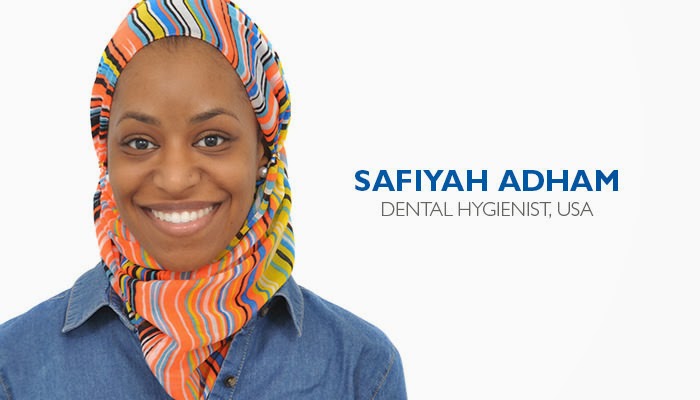
Dubai Hygienist Safiyah Adham, Up Close & Personal

Our dental hygienist Safiyah Adham brings to Dr. Michael’s Dental Clinic over a decade of experience in dental hygiene. In this interview, she talks about what motivated her to choose her career, what she does on a typical day, the common misconceptions about oral hygiene and more.

Why did you choose to be a dental hygienist? What motivated you to choose this career?
Dentistry is in my genes! My great-great uncle and grandfather were dentists. My mother is a dentist as well. As a teen, I worked in my family's dental office. I loved interacting with the patients and watching my grandfather and mother create positive, enjoyable and informative experiences for their patients. When the time came for me to decide on a career, I easily chose to become a dental hygienist!

Continue reading here.

Sunday, November 30, 2014

Dr. Michael's Back-to-School Tips to Keep Your Child’s Winning Smile

As you and your child bid goodbye to the last few days of vacation and the oozing summer heat, it is time to make a checklist and say hello to school once again. As you cross out some of the things on your list like new school supplies, wardrobes and shoes, be sure your child is armed with healthy teeth and gums too all throughout the school year.

Tooth decay is one of the biggest health issues among children, accounting for over 51 million hours of school time lost every year. As a whole, poor oral health can negatively affect your child’s ability to learn and concentrate in school. Oral conditions can interfere with your young one’s nutrition, speech, self-esteem and daily activities.

At Dr. Michael’s Dental Clinic, we encourage all parents and children to practice healthy oral habits at home and at school.  Your child's back-to-school dental checklist should include the following.

Regular dental examination
You may not realize that your child is having a dental problem, so regular checkups are important to diagnose, prevent or treat your child’s oral condition. Your pediatric dentist may suggest fluoride treatments or sealants to save your child from pain and lost school time.

Healthy school snacks
Cut back on sugary foods and drinks. Choose healthier snack options for your child including grains, milk, cheese, raw vegetables, yogurt or fruit.

Handy dental kit
Pack a dental health kit in your child’s lunchbox. You can make it fun by letting your child select his or her own toothbrush. Don’t forget to include a toothpaste and a floss in the kit.

Mouthguard
Ask your dentist about the right mouthguard for your child while participating in sports, PE classes and other playground activities. A properly fitted mouthguard can prevent serious and oftentimes irreparable inquiries to the teeth, gums and jaw.

Make sure your child is smile-ready and happy to get back to school. If you wish to make an appointment with our specialist pediatric dentists, call Dr. Michael’s Dental Clinic at 04-3397700 today.

Thursday, November 27, 2014

A Whole New World of Pain-free Dentistry for Kids

The very thought of dental masks, needles and cold instruments being prodded in the mouth could strike fear in anyone seeking dental appointment. When it comes to our little ones, this fear is much more exaggerated. As a result, your child may not be able to relax or sit still long enough to receive proper dental treatment.
At Dr. Michael’s Dental Clinic, we understand that dental anxiety can be a stumbling block to ensuring your child’s oral health. That is why we make use of the best, most up-to-the-minute dental technologies available to put your child’s safety and comfort above all.
With the dawn of Lasers in Dentistry, the feeling of anxiety can now be well replaced with those of fun and excitement.

No shots. No drills. No fear.

Dr. Michael’s offers Waterlase, the most advanced technology in laser dentistry. It not only replaces the much-feared drill; it also eliminates the use of needles.
In the practice of our pediatric dentist Dr. Imneet Madan, our younger patients feel exceptionally comfortable. A lot of them describe their experience as nothing more than an occasional faint sensation of popping on the tooth.
The laser can be related to the feeling of popcorn bursting. Some kids would say they imagine Star Wars-shooting at the bacteria.
“The laser can be related to the feeling of popcorn bursting. Some kids would say they imagine Star Wars-shooting at the bacteria,” says Dr. Imneet.
This technology uses a unique, powerful interaction of air, water and laser energy that reduces the need for anesthesia (shots) when performing routine dental procedures. Unlike the much-dreaded dental drill, this laser does not require direct contact with the tooth surface. It works at pinpoint precision without heat, vibration or pressure.

No Pain. No Trauma.

The same technology is applicable to soft tissue procedures where the laser promises precise cutting, faster healing and no bleeding.
When it comes to saving severely decayed baby teeth, the use of the diode laser has been pioneered by Dr. Imneet. So far, the success rate of her laser-assisted root canal treatments comes close to 100 percent. She firmly believes in performing this procedure even on baby teeth that would otherwise be indicated for early extractions. Early loss of baby teeth could later on subject a child to more complex orthodontic procedures.
We recommend a dental check-up every six months for optimum oral health. With the best technology and providers in hand, we invite you and your child to come and visit Dr. Michael’s Children’s Dental Center.

Monday, June 30, 2014

A Fresh Mouth for Ramadan

During Ramadan the fasting process can take its toll on the whole body, and especially the mouth. Dry mouth, bad breath, cracked lips, bleeding gums, tongue coating, these are just some of the oral effects of fasting.
A thick layer of plaque bacteria can sometimes form on the surface of the tongue causing bad breath (Halitosis).
If you are fasting for any length of time, there are a few cleansing rituals you can do to maintain a fresh and odor-free mouth.
Continue reading here.